How to prepare and survive the Nürburgring 24h on iRacing
The Nürburgring 24 Hours on iRacing is one of the most demanding endurance races in sim racing. Combining the Nordschleife and GP circuit, it delivers over 25 km of relentless corners, traffic management challenges, and mental fatigue that few events can match.
Finishing this race is already an achievement. Finishing clean? That’s where preparation makes the difference.
This guide breaks down exactly how to prepare, execute, and survive the Nürburgring 24h, from car choice to race strategy and endurance mindset.
TABLE OF CONTENTS
Before: preparation is where the race is won
Why the Nürburgring 24h is unlike any other race
Unlike standard endurance races, the Nürburgring introduces three unique challenges:
- Extreme lap length (~8+ minutes depending on class)
- Multi class traffic at constant speed differentials
- Highly technical and unpredictable track layout
Mistakes don’t just cost time, they often mean race ending damage.
Car selection strategy: consistency over raw pace
Choosing the right car is your first strategic decision.
GT3, Porsche Cup, GT4, TCR and BMW M2 CS Racing:
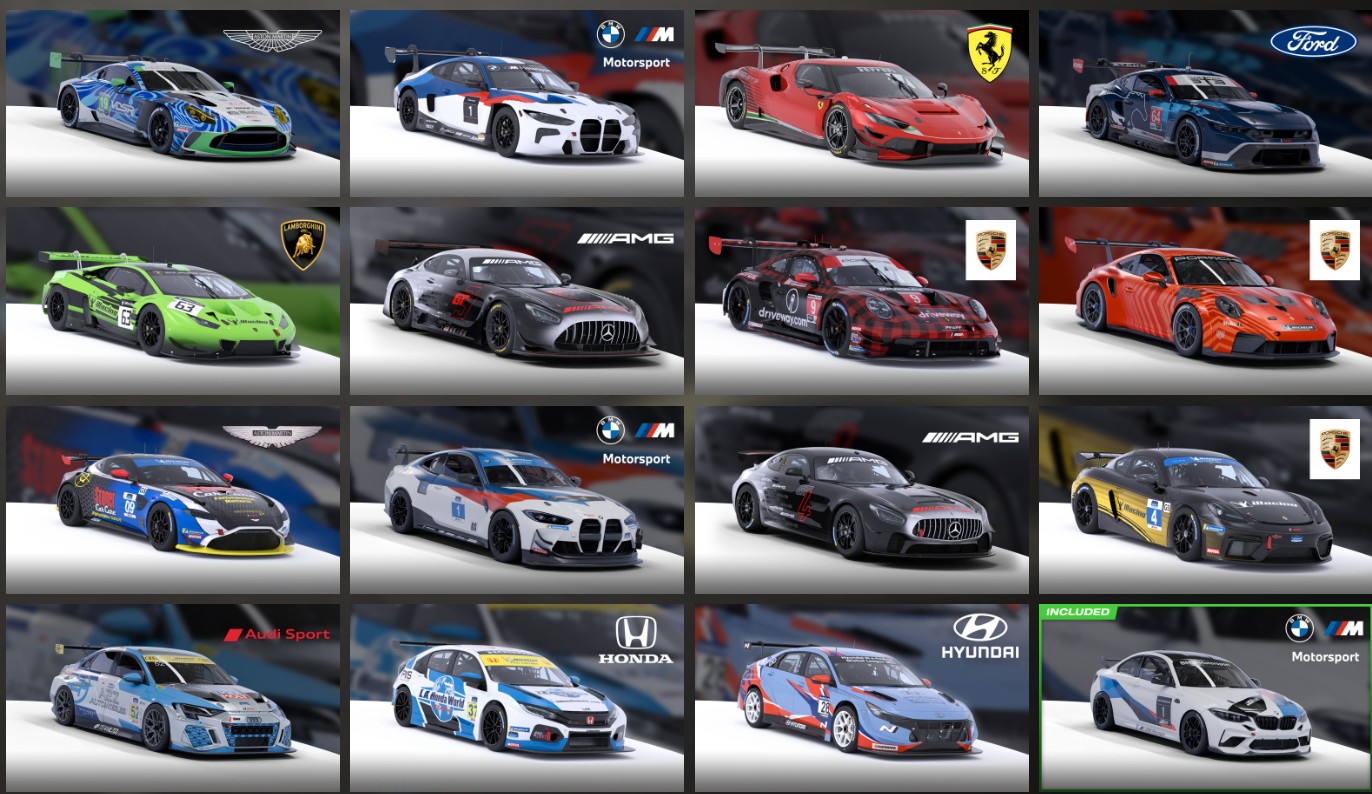
- GT3: fastest class with high downforce and strong braking performance. Efficient over a lap but demanding in traffic and over long stints. Mistakes often come from overdriving.
- Porsche Cup: very rewarding but unforgiving. No ABS and no traction control means higher risk, especially on cold tires and worn stints. Requires experienced and consistent drivers.
- GT4: balanced and forgiving. Easier to handle over long runs with more predictable behavior. A strong choice for teams prioritizing consistency.
- TCR: front wheel drive and very stable under braking. Slower in corners but safe and consistent. Requires strong awareness in multi-class traffic due to speed differences.
- BMW M2 CS Racing: entry level endurance car. Very accessible and stable but lacks outright pace. Ideal for less experienced teams focusing on finishing rather than performance.
Key insight. Across 24 hours, the fastest team is rarely the one with the best lap time. It is the one that makes the fewest mistakes.
Pre race preparation: the hidden key to finishing
Most Nürburgring 24h races are decided before the race even starts. Preparation is not about doing hundreds of laps. It is about removing uncertainty and building consistency.
| Tips from our content creators – Rory Alexander: “Preparation is key for an event like this, so once your equipment, car and setup is set in stone it is all about seat time! We have had many sessions where we gain experience and share knowledge that we hope will convert to a great result on the day!” – Redoine Messaoud: “You need to practice with full fuel, repeat the same laps and identify dangerous corners. That is how you avoid accidents.” |
Focus on race pace, not hotlaps
Fast laps do not win endurance races. Consistency does.
- Run full fuel stints
- Keep lap times within a tight window
- Avoid incidents under pressure
If you cannot repeat it, it is not usable in a 24h race.
Validate your stints
Each driver should complete at least one or two realistic race stints:
- Full fuel
- Tire wear included
- Ideally one at night
This is where you identify fatigue, braking inconsistency, and overdriving.
Align on one stable setup
The goal is not the fastest setup. It is a predictable one for every driver.
- Stable rear end
- Forgiving over bumps
- Consistent braking
The setup must work for the entire team. Each driver has a different style, so a safe and consistent car is always the best option over 24 hours.
| Tips from our content creators – Redoine Messaoud : “The setup must be stable and suitable for all drivers. We all have different driving styles, so a safe setup is always better.” – Rory Alexander : “We are using the Coach Dave Academy official setup for this, it is quick but more importantly safe!” |
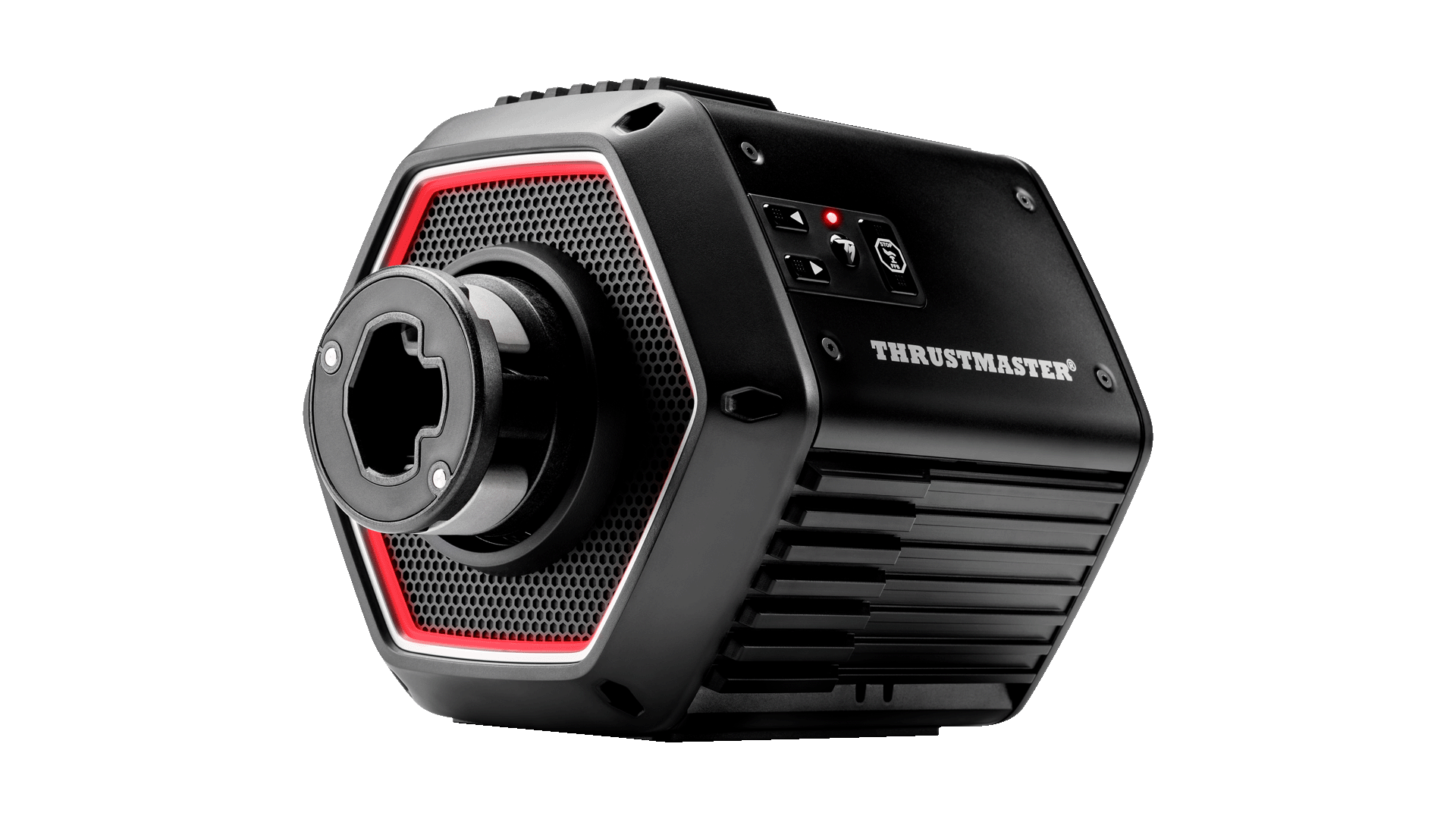
Using consistent hardware helps teams converge faster. With detailed and reliable feedback, like on the Thrustmaster T818, drivers can more easily agree on car behavior and reduce adaptation time between stints.
Learn where not to push
The Nürburgring punishes mistakes more than it rewards aggression.
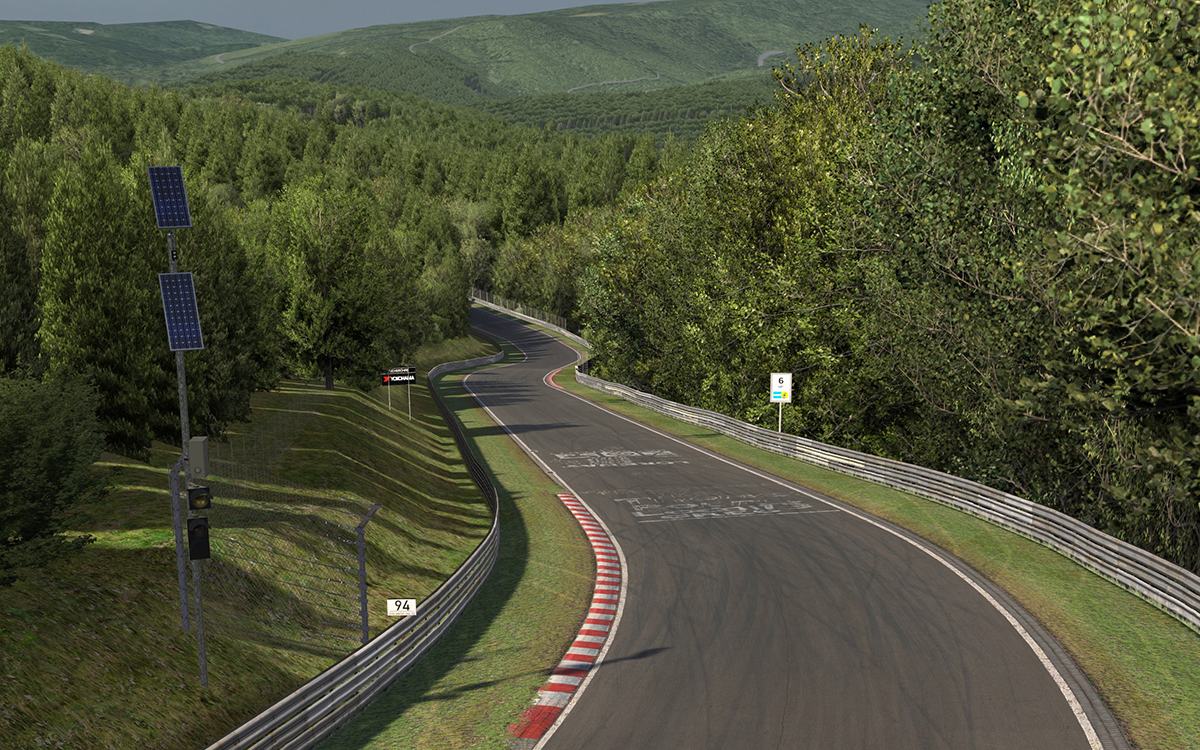
- Identify high risk corners such as Hatzenbach on cold tires, Adenauer Forst under heavy braking, or Pflanzgarten where high speed commitment leaves no room for error.
- Avoid fighting in technical sections
Knowing where to back off is a real performance advantage.
Prepare for traffic: Traffic is the biggest challenge of the race, not the track itself.
- Practice with other cars on track
- Anticipate unpredictable behavior
- Stay patient
Team organization and stint planning
Endurance racing is a team discipline first.
- 3 to 4 drivers is ideal
- Plan double or triple stints
- Align with sleep cycles
| Tips from our content creators – Redoine Messaoud: “We are at least 4 drivers, sometimes 6. The best is to do double stints, around 2 hours per driver.” – Rory Alexander: “We have a team of 4, myself, Sparks, Kizzi and Hoggy. We plan to start by putting the quickest driver in 1st to get us off to a good start, then we have split it up between us. With 4 of us we are lucky to have early birds and night owls, so everyone is going to be driving at a time they feel comfortable” |
Clear roles reduce mistakes and improve consistency during the race.
- Driver: Focuses on consistency and staying incident free. Manages tires, fuel targets and traffic without overdriving. The priority is to deliver clean stints and keep the car safe.
- Spotter: Assists the driver with traffic and awareness. Calls out faster cars, potential dangers and helps anticipate situations the driver cannot fully see. Especially useful on the Nordschleife where visibility is limited.
- Strategist: Manages the race plan. Tracks fuel windows, pit timing, tire strategy and overall race position. Adapts decisions based on race events and ensures the team stays on a consistent plan.
Equipment and force feedback setup
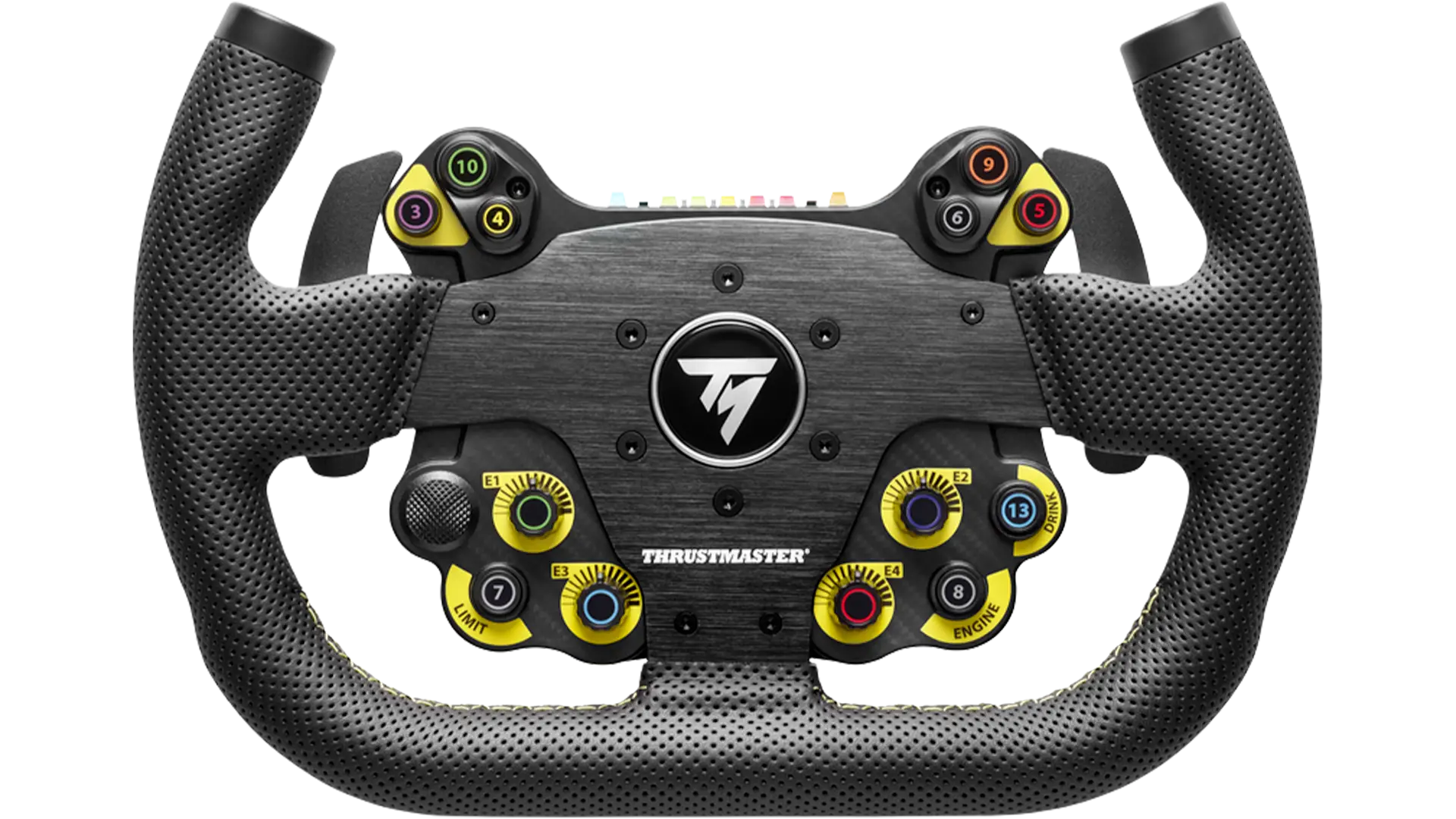
Equipment plays a major role in endurance racing, especially over long stints. A typical setup includes a direct drive wheel like the Thrustmaster T818, paired with a GT style wheel rim, and load cell pedals like the Raceline Pedals LC. Load cell braking is essential to maintain consistency over time.
| Tips from our content creators – Rory Alexander:“As always, I go with the Thrustmaster recommended ones, they know way more than me!” – Redoine Messaoud: “A good load cell pedal set is essential for endurance racing” / “My FFB settings are simple. 100 percent in the base (T818 Black Edition) and around 60 percent in game.” |
Do not neglect comfort and focus
Over 24 hours, small details become critical:
- Comfortable seating position
- Consistent braking feel, especially with Thrustmaster T-LCM Pedals
- Force feedback that is precise but not exhausting
Fatigue is one of the main causes of mistakes.
During: surviving the Nürburgring 24h
Setup philosophy for 24h survival
Endurance setups are about repeatability, not peak performance. The goal is to have a car that remains predictable over long stints, even as tires wear and fatigue builds.
Key principles
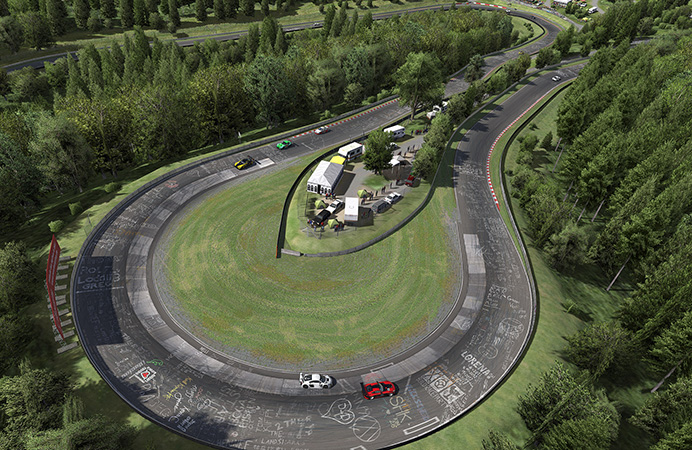
- Softer suspension to absorb bumps: The Nordschleife is extremely uneven, with compressions and elevation changes. A softer setup helps the car stay in contact with the track, improves stability, and reduces the risk of losing control over bumps.
- Stable rear end: Rear stability is critical over long runs. A car that is too reactive or prone to oversteer will increase driver fatigue and lead to mistakes, especially in high speed sections or during night stints.
- Kerb tolerance over aggressiveness: A slightly less aggressive setup that handles kerbs well is more valuable over 24 hours. This allows drivers to make small mistakes without losing the car and helps maintain consistency in traffic and under pressure.
Hardware consistency matters
In long stints, precision becomes critical. The Thrustmaster T818 helps maintain consistency with clear feedback and stability, while load cell braking ensures repeatable inputs over time.
Mastering the Nordschleife
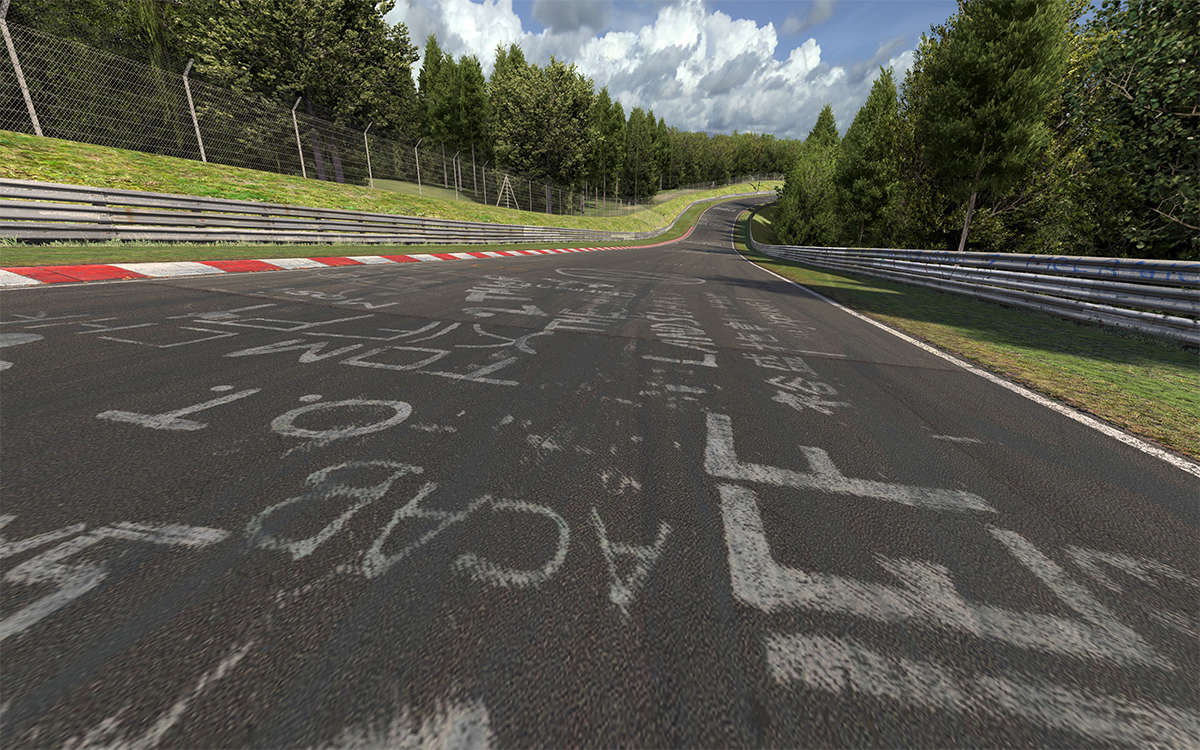
The Nordschleife is not learned. It is memorized and respected. Here are the critical sections:
- Hatzenbach: opening sector of the lap with a sequence of tight direction changes. Grip is still low on cold tires and the rhythm is difficult to establish. It is easy to carry too much speed early in the stint and make a costly mistake.
- Adenauer Forst: heavy braking zone after a fast section. One of the most common incident points on the track. Drivers often arrive too fast or attempt overtakes here, which frequently leads to contact or off track excursions.
- Pflanzgarten: high speed section with jumps and compressions. The car becomes light and unstable if the line is not precise. It requires commitment, but leaves no margin for error, especially in traffic or on worn tires.
Mastering these sections is not about being faster, it is about knowing where to stay within your limits and avoid the mistakes that end races.
Traffic management: the real race
Traffic defines the Nürburgring 24h.
- Plan overtakes 2 to 3 corners ahead: Overtakes at the Nürburgring are rarely decided in one corner. Anticipate traffic early, position your car in advance and think in sequences rather than single moves. A clean overtake is often prepared several corners before it actually happens.
- Avoid risky moves in technical zones: Narrow sections, blind corners and quick direction changes leave no room for side by side racing. Forcing an overtake in these areas greatly increases the risk of contact. It is almost always better to wait for a safer section.
- Let faster cars pass early: Especially in multi class racing, losing a small amount of time by lifting early is often the safest option. Letting a faster car through in a controlled way prevents dangerous situations and helps you maintain your own rhythm.
If you are unsure, wait. In traffic, patience and anticipation will always gain more time than aggression.
Pit strategy and fuel management
Races are won in the pits as much as on track. A clean and consistent strategy will save more time than pushing for lap time.
- Define fuel windows: Calculate your stint length before the race and stick to it. Knowing exactly how many laps you can do avoids unnecessary risk and last minute decisions.
- Stick to a rhythm: Keep a consistent pit cycle throughout the race. Predictability helps both the driver and the team stay focused and reduces errors.
- Avoid improvisation: Most mistakes happen when plans change under pressure. Only adapt strategy when necessary, not out of panic
Tires:
- Double stints are common: Running two fuel stints on the same set of tires is often the best compromise between performance and time lost in the pits.
- Monitor consistency versus wear: Tire degradation is not just about lap time. If the car becomes unstable or harder to drive, it is often better to change tires than risk an incident.
A disciplined pit and fuel strategy is often the difference between finishing the race and losing it in a single mistake.
Night driving survival
Night racing changes everything. Visibility drops, reference points disappear and fatigue starts to impact decision making.
- Reduced visibility: Headlights limit how far ahead you can see, especially on the Nordschleife where many corners are blind. Braking points become harder to judge and mistakes are more likely.
- Increased fatigue: Night stints often happen during low energy periods. Concentration decreases and reaction times slow down, which increases the risk of small but costly errors.
Adaptation
- Brake earlier: Give yourself more margin in every braking zone. Losing a few tenths is always better than risking a mistake.
- Use references: Rely on consistent visual cues such as barriers, trees or trackside elements instead of traditional braking markers that are harder to see at night.
- Reduce risk: Avoid aggressive overtakes and stay within your limits. The goal is to survive the stint, not gain positions.
Weather and track evolution
Grip changes continuously over a 24 hour race. The track you start on is not the same as the one you finish on.
- Rubber builds up: As cars circulate, the racing line gains grip. This can improve lap times but also create larger differences between the ideal line and off line sections, especially in traffic.
- Temperatures shift: Track and air temperatures evolve between day and night. This affects tire pressure, grip levels and overall car balance.
What to do?
- Stay conservative early: Conditions are less predictable at the start. It is better to build confidence gradually.
- Adapt progressively: Adjust braking points and driving inputs as grip evolves. Avoid sudden changes in driving style.
Understanding how the track evolves allows you to stay consistent while others struggle to adapt.
Incident avoidance framework
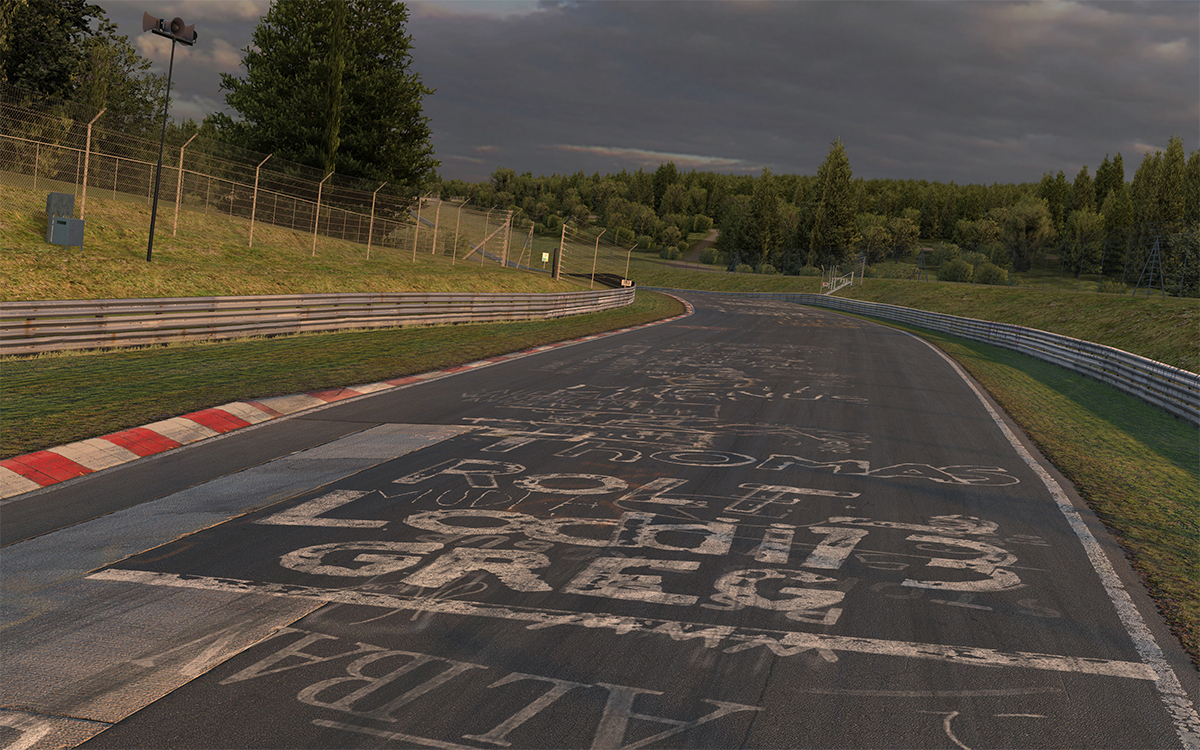
Most DNFs are not caused by lack of pace, but by avoidable mistakes.
- Prioritize clean racing: Keeping the car on track is always more important than gaining positions. A clean race will naturally move you up the order.
- Accept losing positions: Not every battle is worth fighting. Giving up a position is often the safest and smartest decision.
- Reset mentally: Small mistakes will happen. The key is to stay calm and avoid compounding errors.
Lap 1 rule = survive.
Cold tires, traffic and race start pressure make the opening lap the most dangerous moment of the race.
Endurance racing rewards discipline, and avoiding one mistake is often more valuable than gaining one position.
Mental and physical endurance
The biggest challenge of a 24 hour race is not speed, it is endurance.
- Sleep between stints: Even short rest periods help maintain focus and reduce fatigue over the full race duration.
- Stay hydrated: Dehydration impacts concentration and reaction time. Regular hydration is essential.
- Reset mentally: After each stint, take time to disconnect and recover. Staying mentally fresh is key to consistent performance.
Fatigue leads to mistakes, and managing your energy is just as important as managing the car.
Conclusion: finishing is winning
The Nürburgring 24h on iRacing is not about being the fastest. It is about being the most disciplined over 24 hours.
- Drive below your limit: Staying slightly under your maximum pace reduces mistakes and helps maintain consistency over long stints.
- Avoid unnecessary risks: Every aggressive move increases the chance of an incident. Smart drivers know when not to fight.
- Stay consistent: Repeating clean laps is what builds a strong result over time.
Be there at the end.